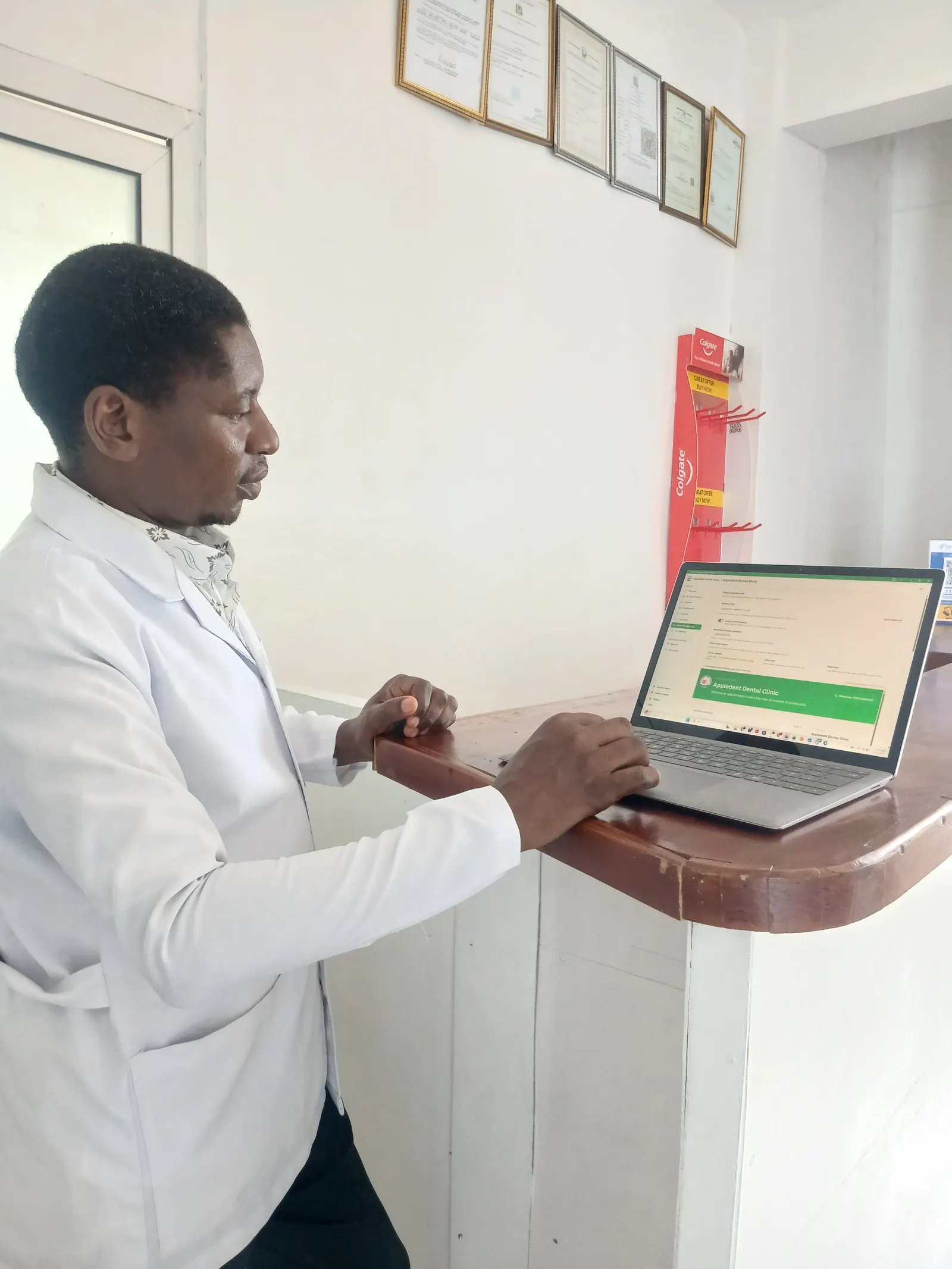

Reliable healthcare operations
The facility can now keep essential services running with far less disruption.
AfyaSolar case study
A climate-resilient energy solution that helped a remote dispensary restore cold-chain reliability, reduce energy costs, and keep essential healthcare services running.
Evidence status: Measurement note pending
Last updated 22 October 2026
The challenge
In Kifuru Village, Kisarawe District, St. Therese of Alleson Dispensary reports serving more than 1,200 patients a month. Most are women and children who depend on the facility for essential primary healthcare close to where they live.
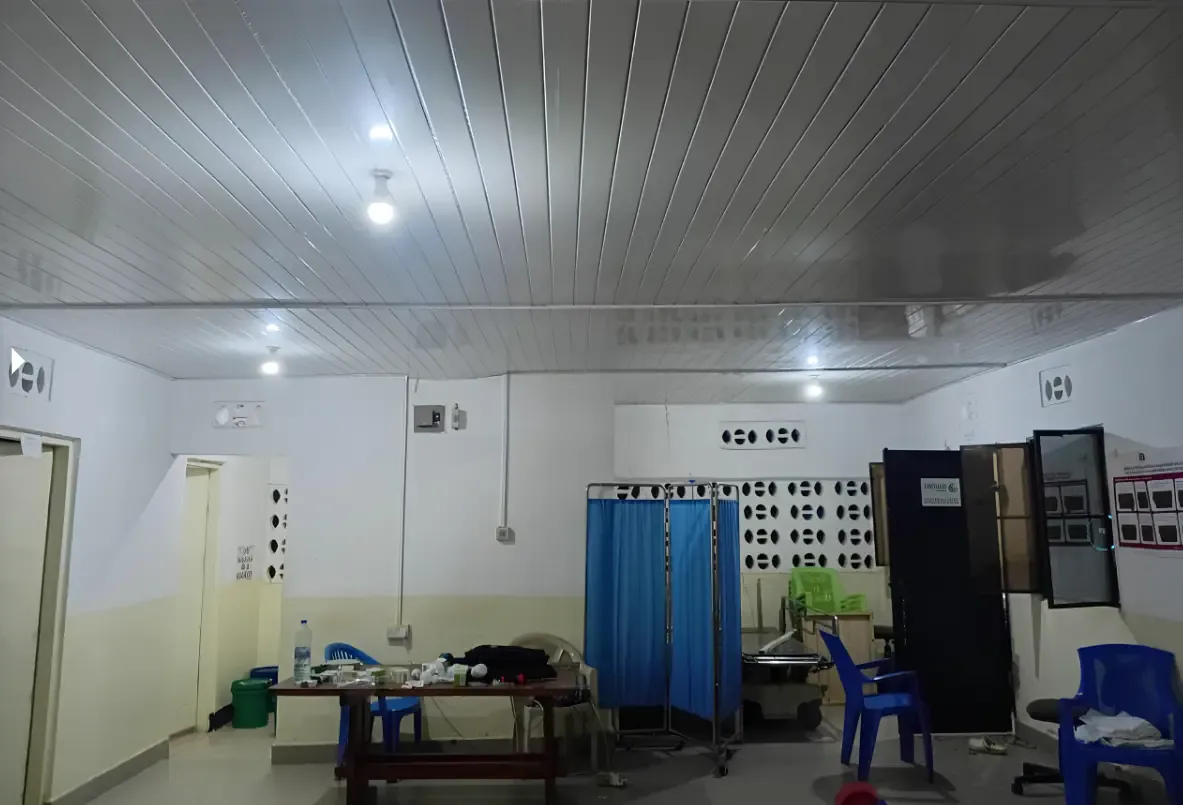
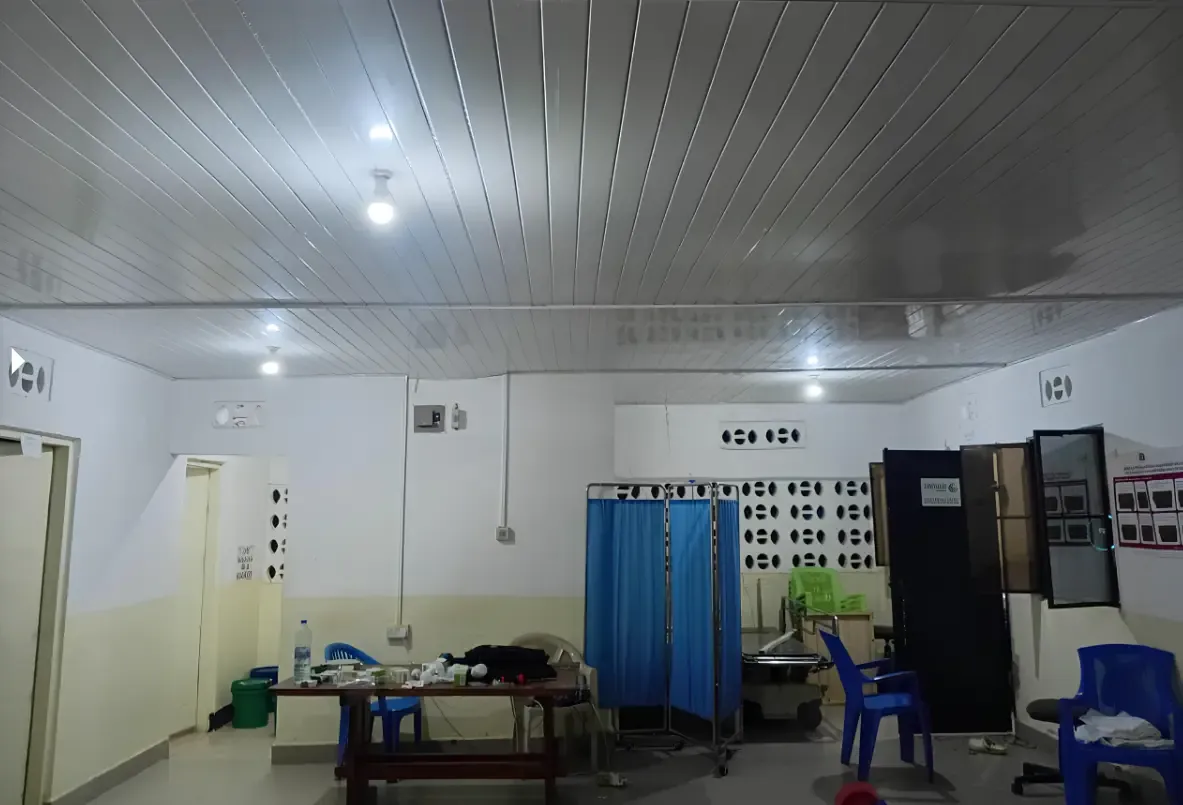
Before AfyaSolar, the facility was operating without access to the national grid. Diesel generators and small solar lamps were not enough to support reliable healthcare delivery. During heavy rainfall and flood-prone seasons, power disruptions became even harder to manage.
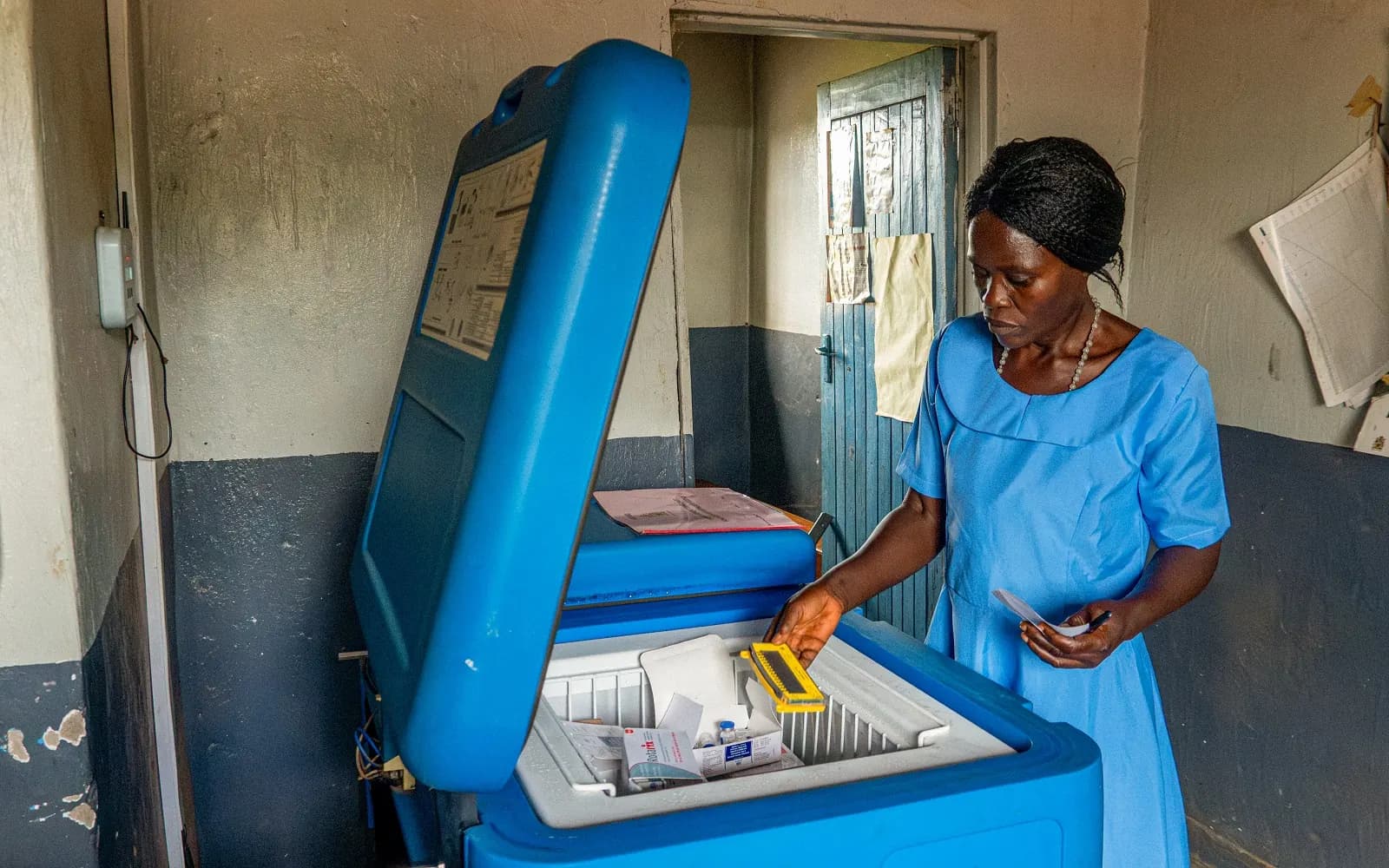
The facility already had a medical refrigerator, but unstable electricity meant it could not be used reliably. Vaccines and temperature-sensitive medicines remained at risk, and the ability to expand maternal and child health services was limited.
The solution
St. Therese adopted AfyaSolar to bring reliable, climate-resilient power into the heart of its healthcare operations. Ubuntu AfyaLink began with an energy efficiency assessment to understand the facility’s power needs, critical equipment, cost drivers, and wiring inefficiencies.
The team also conducted a climate resilience assessment to understand how flooding, heavy rainfall, and outage risks affected service continuity, then developed an adaptation plan and designed a system around the facility’s most important healthcare functions.
AfyaSolar installed a 4.2kW solar and battery system under an Energy-as-a-Service model, giving the facility reliable power as a service rather than an upfront equipment purchase.
The impact
With reliable solar power in place, St. Therese moved from fragile, fuel-dependent operations to a more stable model of primary healthcare delivery, powering consultations, lighting, diagnostics, water access, and medical refrigeration with far greater confidence.
“Before AfyaSolar, power interruptions affected almost everything we were trying to do, especially storing vaccines and maintaining consistent services during difficult weather. Today, we operate with much greater confidence. Our refrigerator works reliably, services continue more smoothly, and we are now planning to expand maternal health services because we finally have stable power.”

What changed
Before
After
The facility can now keep essential services running with far less disruption.
Cold-chain reliability has been restored through stable medical refrigeration.
Reduced diesel dependence has lowered costs and made energy spending more predictable.
The facility is better prepared to keep operating during heavy rainfall and disruption periods.
Why it matters
This case shows that reliable energy is not just a utility for primary healthcare facilities. It is the foundation that allows care to continue.
When power fails, vaccines are at risk, consultations are interrupted, maternal services become harder to expand, and communities lose confidence in local care.
At St. Therese, AfyaSolar helped turn unreliable energy into a platform for stronger healthcare delivery. The dispensary, which reports serving more than 1,200 patients a month, is now better powered and better prepared.

AfyaSolar
If your dispensary, clinic, pharmacy or laboratory faces unreliable power, high diesel costs or cold-chain risk, start with an energy assessment.